
Why chocolate is no longer just chocolate

The chocolate market is changing. Consumers still want sweet treats, but the way they enjoy them is changing. This opens up new opportunities for those of you who develop products in this category – and at the same time sets new requirements.
A new European study maps developments in four major categories: chocolate bars, spreads, pralines and chocolate baked goods. Clear trends are evident, ranging from classic flavours in new combinations to inspiration from global flavours, sensory experiences and healthier choices.
Chocolate is therefore no longer just a question of taste – it is also about how texture, colour and shape interact with function, emotions and storytelling. We have identified seven trends in the market that provide insight into what consumers want and where you can benefit from focusing your product development efforts.

Classic comfort with a twist
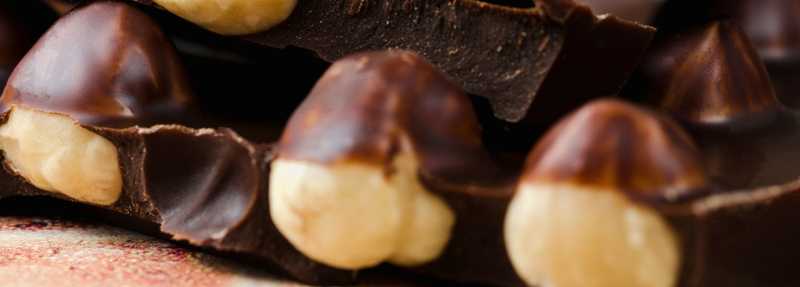
Classic flavours such as caramel, hazelnut, almond, orange and raspberry still hold consumers' attention – but now preferably in new contexts. There is growing interest in cherry, pistachio and peanut butter, combining familiarity with surprise.
When consumers get something familiar but with a new twist, it creates the opportunity to develop products that feel both safe and specially selected – and which are therefore well suited for gift purchases, everyday luxuries and snack occasions.

Focus on texture and multisensory experiences
Younger consumers in particular are looking for more than just taste. They are looking for an experience. Texture is playing an increasingly important role in the choice of chocolate products. Combinations such as creamy and crunchy or soft and crunchy arouse curiosity and tempt impulse purchases.
The study shows that as many as 38 percent of British chocolate eaters are interested in products with varied textures. The figure is almost as high in Spain, France, Germany and Italy. It is not just about taste, but about engaging more senses in chocolate products.
Crunchy, chewy, smooth and melt-in-the-mouth are all texture elements that interact with the taste experience. Millennials and Gen Z in particular are driving this development, which is also closely linked to sharing the experience on social media.


New global flavour worlds
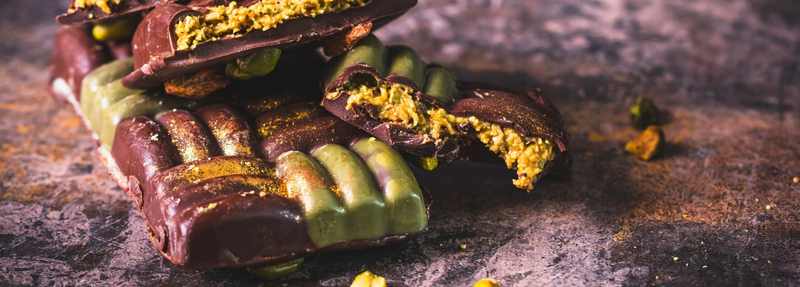
Flavours inspired by the Middle East and Asia are gaining ground – both through viral phenomena and as part of a growing interest in global gastronomy. Pistachio has really taken off and is used in everything from chocolate bars to spreads and filled pralines. In the UK, the proportion of new chocolate products containing pistachio has risen from 1 to 6 percent in less than a year.
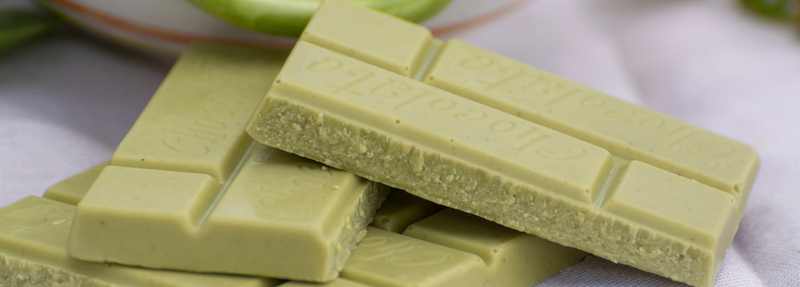
According to the study, Dubai chocolate with pistachio and knafeh, Japanese matcha, yuzu and mochi, as well as Korean inspiration from the Hallyu trend, are shaping the development. It's all about surprising, challenging and creating conversation – preferably in limited editions that create speed and relevance in the market.
Matcha, cardamom, chilli and hibiscus are also helping to bring new cultural flavour references into both bars and baked goods.

The sensory experience of Swicy and Swalty
Two of the most prominent flavour trends right now combine sweetness with something else:
- Swicy: A combination of sweet and spicy – for example, chilli in dark chocolate or sweet chocolate with warm spices such as ginger.
- Swalty: A fusion of sweet and salty – such as caramel with sea salt or salted nuts. This creates depth and emotional satisfaction.
Both trends are growing because they offer a new sensory experience that appeals to the desire to treat oneself without it becoming boring. The study shows that Gen Z is particularly receptive to these flavour combinations.


Experience as a strategy
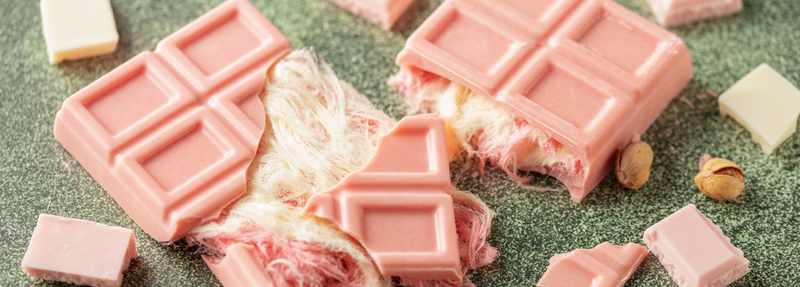
Several brands are working purposefully to create chocolate experiences that go beyond taste. The study shows that the combination of colours, texture, scent and visual appeal can be an effective strategy for attracting consumers – especially when the product also evokes emotions such as curiosity, nostalgia or surprise.
This can be seen, for example, in the rise of imaginative flavour varieties such as cosmic, rainbow and dream, which combine sensory appeal with storytelling and aesthetics. Elements such as freeze-dried textures, colourful visual expressions and emotional names give the product character and make it relevant in a digital and experience-driven reality.
When form, content and narrative work together, a holistic experience is created that strengthens both differentiation and the desire to try something new. It is a way to create more value and relevance in a competitive category.

When pleasure and health meet
Consumers associate chocolate with pleasure but are also increasingly health-conscious. According to the study, there is a growing desire to choose products with lower sugar content, functional properties and natural ingredients that taste good and give you a clear conscience.
Particularly in demand:
- No added sugar or lower calorie content.
- Alternatives to sugar such as dates, stevia or natural syrups.
- Functional properties such as protein, fibre and vitamins.
- Clear communication, simple declarations and natural flavourings.
Plant-based products continue to grow in popularity – especially in the United Kingdom and Germany – where vegan products, local ingredients and origin help to signal both quality and ethics.
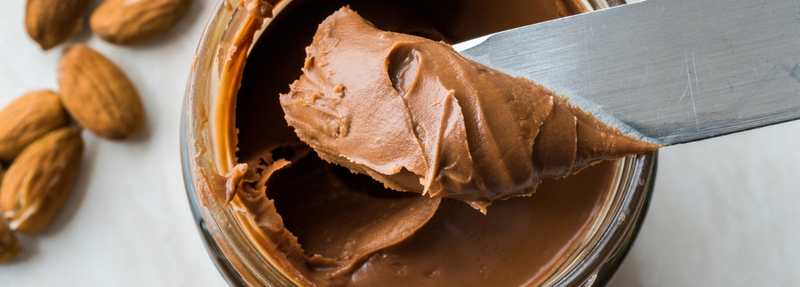
The study also shows that nut butters and protein-rich chocolate products are gaining ground among young, health-conscious target groups.

Seasons and special moments
Chocolate plays a central role in the seasons and special occasions throughout the year. Christmas and Easter continue to account for the majority of launches, but Valentine's Day, Halloween and summer formats are also growing in importance.
At the same time, new concepts are being developed that make chocolate relevant all year round – for example, summer varieties with tropical flavours or products designed to be enjoyed straight from the freezer.
The study shows that limited editions and personalised details, such as printing names on the packaging, make chocolate more shareable and suitable as a gift. In the United Kingdom and Germany in particular, there is significant growth in premium private label products with exclusive ingredients, sophisticated design and clear signals of quality.
We support your development
The many movements in chocolate show how developments in the category should build on the familiar but in different new ways.
At Procudan, we help translate one or more consumer needs into your products. We advise on taste, function and ingredients – and we work closely with our partner dsm-firmenich, which supplies flavours and know-how to the chocolate category.
If you would like to have the consumer study presented, or receive direct feedback on your applications, please contact us using the form.
Behind the study
The article is based on a comprehensive European analysis of the chocolate category, covering chocolate bars, pralines, spreads and chocolate baked goods.
The study collects market data, consumer movements and trends in taste, format and function – and provides a strong basis for product development in a category that is constantly evolving.
We are happy to present the study and help you put the insights into use in your development work.
The study contains:
- Examples of new flavours and textures in chocolate and related products.
- Insights into what drives consumer choices across countries and target groups.
- Data on seasonal products, limited editions and new occasion-based formats.
- Trends in plant-based, functional and healthier chocolate.
- Concrete examples of innovation and inspiration from across Europe.